
Design
Every piece of furniture begins with a great design. While the elements of design remain consistent, client preference can vary widely. I use the considerations below when designing a piece of furniture.

Function

Form

Materials
Construction

Function
This is the foundation for all of my furniture design. Knowing how the piece of furniture will be used is of utmost importance when balancing artistic expression with functionality. The location and intended use of a piece of furniture determines the size and features necessary to make a perfect plan. Functional items such as doors and drawers within a sideboard, or even unique features such as a pull out cutting board, are all planned before determining the overall form of a piece of furniture.
Form
This element of design makes a piece of furniture stand out amongst the crowd. The size of a piece of furniture is infinitely variable and I make furniture designed for your space. There are norms for certain pieces of furniture, but there’s often good reason to reduce or increase the height or width to make more appropriate for a given space. The overall shape of a piece is also highly variable. A desk, for example, could be made in a shaker style with very little ornamentation or made to be sculpted and flowy. Both designs can be absolutely beautiful and once the form is selected, the most appropriate material and construction methods can then be determined.


Materials & Finishes
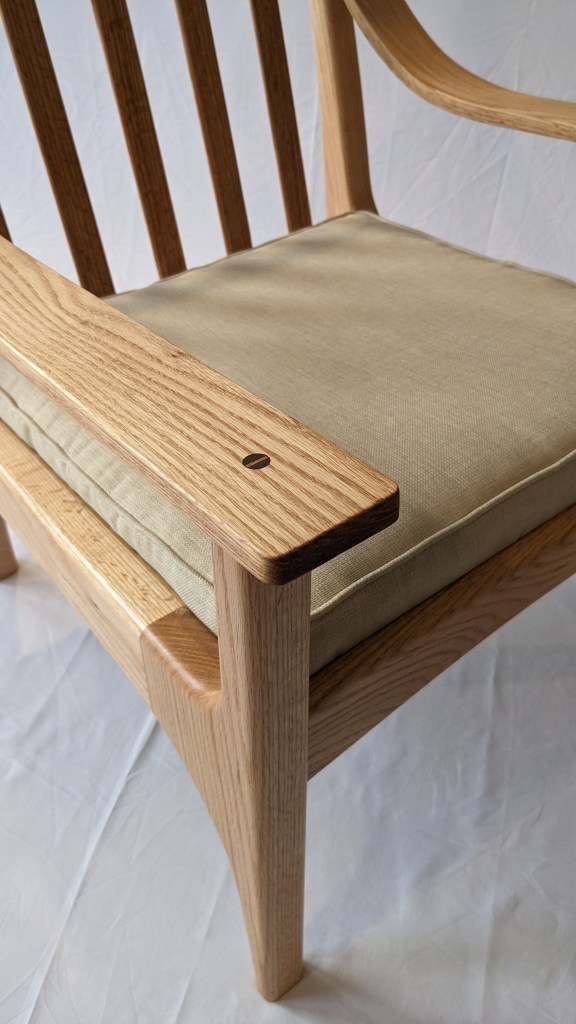
I only use high quality hardwood to build furniture. These materials are chosen for their durability and beauty, allowing the final piece to age gracefully. The selection of wood species adds character, with options ranging from the subtle elegance of maple to the bold grain of oak.
I prefer to use natural finishes that are meant to protect and enhance the natural beauty of solid hardwood. Stains and paint can be used effectively as well to provide contrast to the natural warmth of wood.
Construction
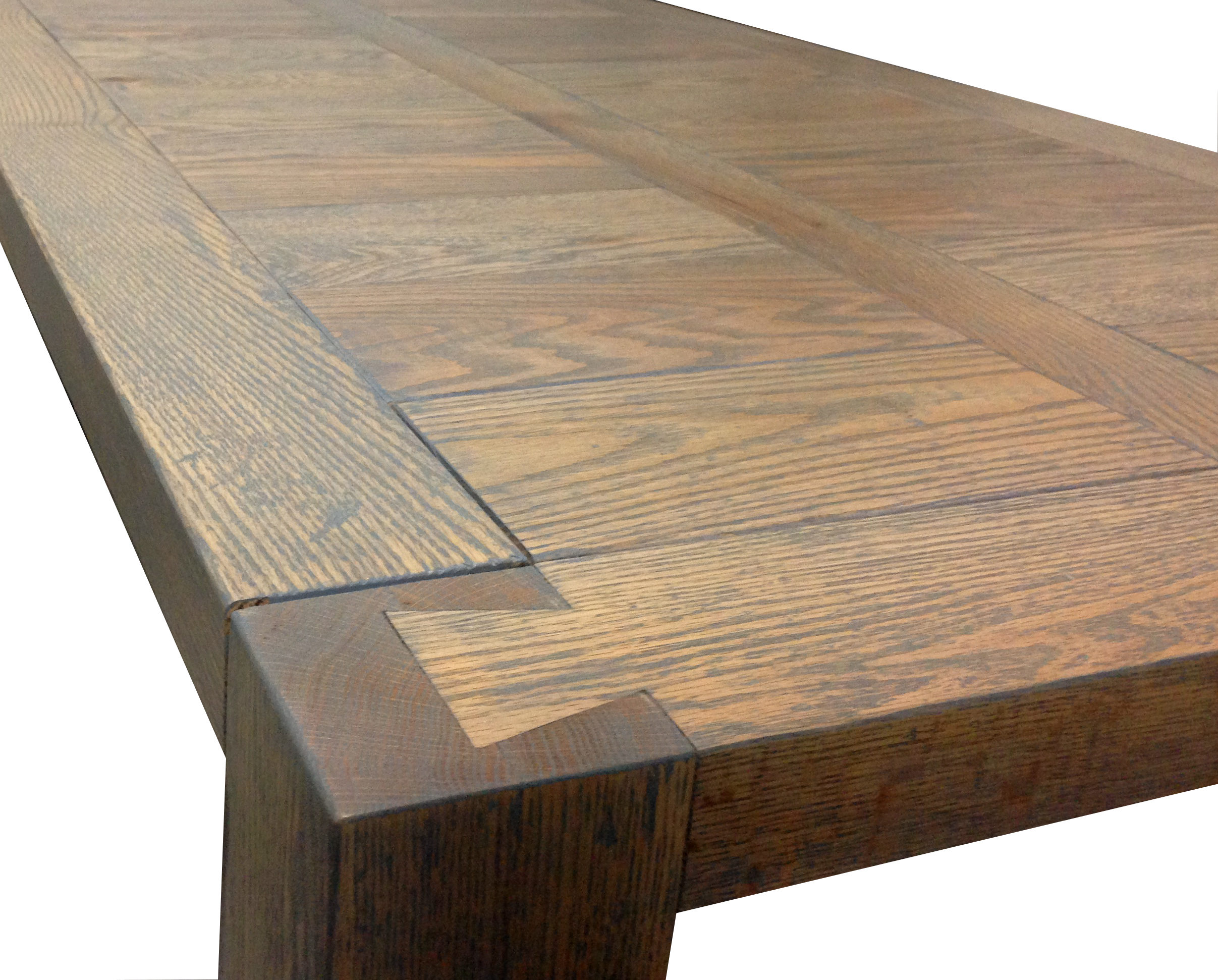
Handcrafted furniture is made using traditional joinery techniques, which are essential for durability and longevity. Methods such as dovetail joints and mortise and tenons are commonly used to ensure that the pieces can stand the test of time. These techniques not only enhance strength but also contribute to the aesthetic appeal of the furniture.
The process of handcrafting furniture requires a keen eye for detail. Each stage, from design to construction to finishing, is approached with care and precision. This attention to detail ensures that every piece is not only functional but also a work of art that enhances the environment it inhabits.
 Younger Brother Woodworking